Clothes moths do their damage as larvae, which feed on keratin, the protein in wool, cashmere, fur and feathers. They prefer textiles soiled with sweat, skin oils or food and left undisturbed in the dark. To protect a wool throw, keep it clean, keep it in use or aired, and store it clean and sealed when you put it away.
If you already have moths, act on three fronts: clean the affected textiles (dry cleaning for wool throws, or several days in the freezer in a sealed bag for small items), vacuum thoroughly where they were kept, and put out pheromone traps to see whether adults are still about. Scent sachets such as cedar or lavender may deter adult moths, but they do not kill larvae.
What clothes moths are and what they eat
Two species cause most of the damage in UK homes: the common clothes moth, with plain golden-buff wings, and the case-bearing clothes moth, which is greyish-brown with a few dark spots. Both are small, about a centimetre or a little more across the wings, and both shy away from light: disturb them and they tend to scuttle into a fold rather than fly off.
The adults do not eat at all. The damage is done by the larvae, small creamy-white caterpillars with brown heads. They digest keratin, and they do much better on fibres that are soiled: sweat, skin oils and food spills give them extra nutrients and moisture. A clean throw in daily use is a poor home for them; a stained one folded at the back of a cupboard for months is exactly what they are looking for.
In a centrally heated home they can breed all year round, and development from egg to adult can take anything from about a month to two years, depending on warmth and food. That is why one clean-up is not always the end of it.
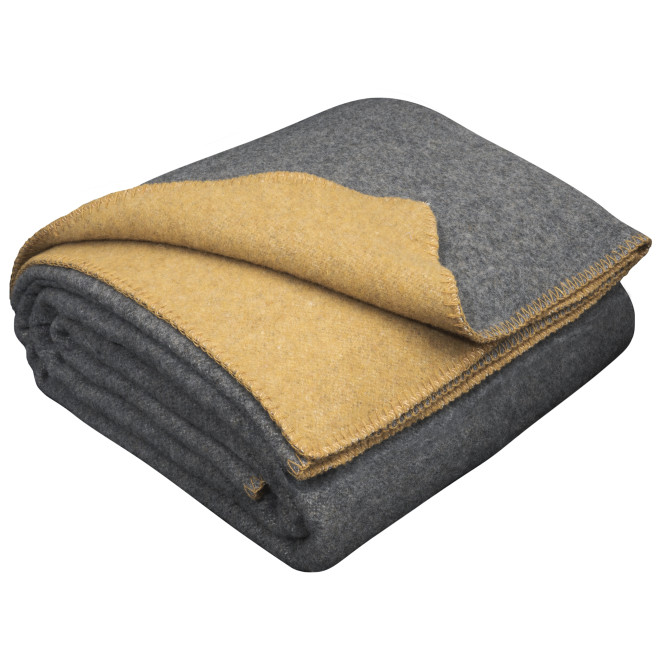
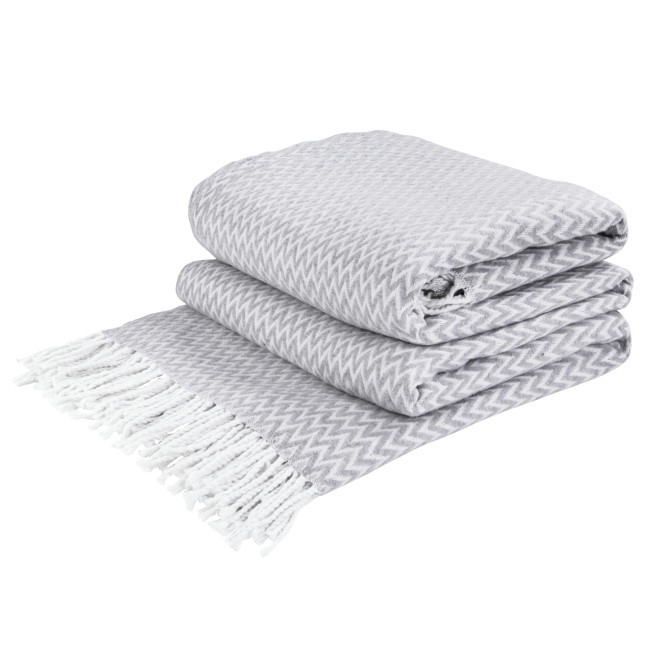
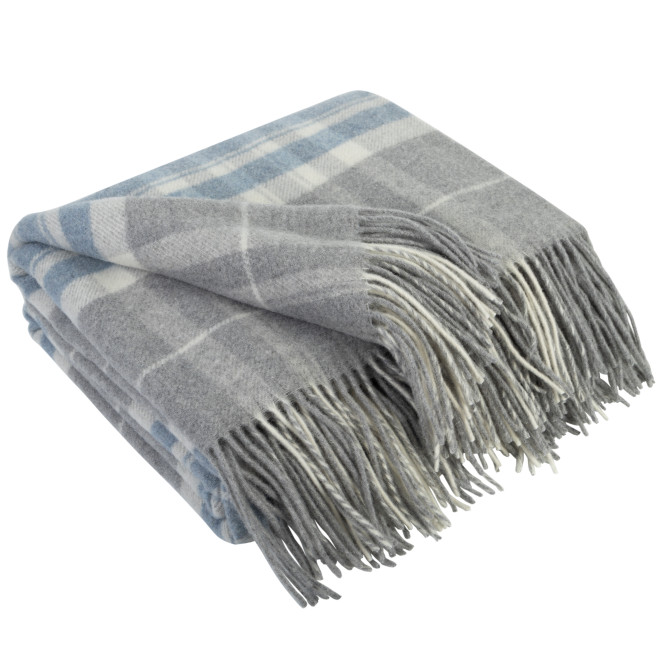
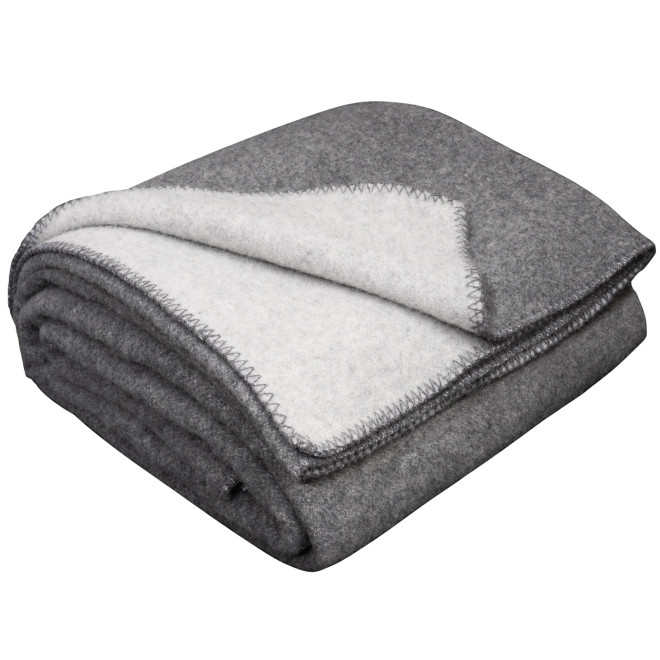
Among our throws, the ones moths go for are those that contain wool:
| Throw | Composition | Of interest to moth larvae? | If moths get in |
|---|---|---|---|
| Merino | 80% merino wool, 20% nylon | Yes | Dry cleaning |
| Cashmere-merino | 90% merino wool, 10% cashmere | Yes | Dry cleaning |
| Pure new wool | 100% New Zealand wool | Yes | Dry cleaning |
| Cotton-blend | 50% cotton, 30% polyester, 20% acrylic | Rarely: there is no animal fibre in it | Hand wash at 30 °C, as the label says |
Signs of clothes moths
- Irregular holes, often in folds or in parts of a throw that rarely see daylight.
- Grazed patches where the surface fibres have been eaten down, common on throws and rugs.
- Fine silky webbing, or small tube-shaped cases in the colour of the fabric, which the larvae of the case-bearing moth carry around with them.
- Tiny grains like sand, often the same colour as the wool: these are droppings.
- Small moths that flutter out of a wardrobe, or run across a fabric when you move it.
Not every small moth indoors is a clothes moth. One that flies about the kitchen, out in the open, is more likely a pantry moth from a packet of flour or cereal, and the place to look is the food cupboard, not the wardrobe.
How to protect your throws from moths
- Use them. Moths want peace and quiet. A throw that is shaken out, folded and sat under most days is an unpromising place to lay eggs.
- Air and brush them. A few hours outdoors, out of direct sun and rain, is how our wool throws are meant to be freshened, as their labels say do not wash. A shake and a brush can also dislodge eggs and young larvae.
- Keep them clean. Blot spills straight away, and never put a throw away with food, drink or a muddy paw print on it.
- Clean where they are kept. Vacuum inside wardrobes and drawers, along skirting boards and under beds and sofas, where fluff and hair collect. Empty the vacuum cleaner outside afterwards.
- Look now and then. Every few weeks, unfold anything in storage, check the folds and give it a shake.
Cedar blocks and lavender sachets are pleasant to have in a wardrobe and may deter adult moths, but they do not kill larvae or eggs already in a throw. Treat them as an extra, not as the protection itself.
Storing wool throws over the summer
Moth damage usually starts in textiles that have been put away and forgotten, so storage deserves a little care.
- Clean first. Air the throw well or have it dry cleaned, and make sure it is completely dry before it goes away.
- Seal it. An airtight storage box or a well-sealed bag stops adult moths reaching the wool to lay eggs. Our guide on how to wash a wool blanket suggests a breathable cotton bag, which is fine for a throw you check regularly; for months in a loft or under a bed, sealed is safer, as long as the throw goes in clean and dry.
- Pick a cool, dry place you will remember. Warm, dark, undisturbed corners suit moths, and a box you forget about is a box nobody checks.
What to do if you find moths
- Bag it up. Put the affected throw in a sealed bag straight away, so eggs and larvae do not spread while you deal with it.
- Check everything nearby. Other wool and cashmere, rugs, feather cushions: anything made of animal fibre in the same cupboard or room.
- Clean the throw. Our merino, cashmere-merino (10% cashmere) and pure new wool throws should go to a professional dry cleaner, which their labels allow. For a small item that fits, freezing is a common method: seal it in a bag, leave it in the freezer for several days (a week, if you can spare the space), then let it come back to room temperature inside the bag, so any condensation forms on the plastic rather than in the wool.
- Clean the space. Vacuum the wardrobe, drawers, shelves and the edges of the carpet thoroughly, then empty the vacuum cleaner outside. Wipe the shelves down before anything goes back.
- Set traps and watch. Pheromone traps (sticky cards or small boxes) attract adult male moths. They show whether moths are still active and catch some males before they mate, but they do nothing about larvae or eggs.
- Look again in a few weeks. Eggs laid before the clean-up can still hatch. If moths keep appearing, or a carpet is affected, call in a professional pest control service.
FAQ
Do clothes moths eat cotton?
Clothes moth larvae need keratin, so cotton and synthetics are not food for them, though they may graze a heavily soiled fabric of any kind. Our cotton-blend throws contain no animal fibre.
Can you wash moths out of a wool throw?
Our wool throws are labelled do not wash. A cool wool wash is not a reliable way to kill eggs and larvae, and hot water would felt the wool, so dry cleaning or, for small items, freezing is the safer route.
How long does it take to get rid of clothes moths?
A thorough clean-up deals with most of the problem at once, but eggs and larvae can take weeks or months to develop. Keep checking, and keep traps out for a few months afterwards.
Do moths mean the house is dirty?
No. Moths can fly in through an open window or arrive on second-hand textiles, and a tidy home can have them. What they need is animal fibre that nobody disturbs.